

Salesforce Marketing Cloud emails are rarely simple. Over time, they evolve to include multiple links designed to serve different purposes—primary CTAs, secondary actions, images, navigation elements, and footer links. Individually, each link may make sense.
Collectively, they often compete.
And when links compete, conversion intent weakens, even if clicks still occur.
The Hidden Problem of Link Competition in SFMC Emails
Most Salesforce Marketing Cloud teams focus on whether an email received clicks. If CTR looks acceptable, the assumption is that engagement is healthy.
But link competition doesn’t usually reduce clicks.
It redistributes them.
Instead of guiding users toward a clear outcome, attention spreads across multiple paths—many of which don’t support the primary goal.
SFMC reports don’t highlight this problem because they aggregate all clicks together.
What Link Competition Looks Like in Practice
Link competition happens when:
Multiple links point to different destinations
Secondary links appear before the primary CTA
Images and buttons both lead elsewhere
Utility links sit too prominently in the layout
Users don’t evaluate links strategically. They click what feels easiest, safest, or most visually familiar.
Salesforce Marketing Cloud reports don’t show which links won that competition.
Why SFMC Click Reports Hide Link Competition
Salesforce Marketing Cloud reporting shows:
Total clicks
Unique clicks
CTR
What it does not show:
Which link dominated attention
How many clicks each link received in context
Whether primary CTAs lost to secondary links
How engagement was distributed across the layout
A click is a click—no matter where it occurred.
This creates a reporting illusion where emails appear successful while conversion paths quietly break down.
The Most Common Forms of Link Competition
1. Image Links vs Buttons
Linked images often sit above CTA buttons. Users click them instinctively, especially when they resemble banners.
If images and buttons point to different destinations:
Users split across paths
Primary CTAs lose momentum
CTR stays flat, conversions don’t improve
2. Text Links That Undermine CTAs
Text links often feel less committal than buttons. When placed near CTAs:
They siphon attention
They become the “safe” option
They reduce button clicks
SFMC reports don’t differentiate exploratory clicks from conversion clicks.
3. Early Links That Cause Premature Exits
When users encounter clickable elements early:
They click and leave
They never reach the main CTA
Everything below becomes irrelevant
Click totals look healthy, but intent leaks early.
4. Utility Links That Inflate Engagement
Footer links—preferences, privacy, unsubscribe—often receive clicks regardless of campaign intent.
These clicks:
Inflate CTR
Mask poor CTA performance
Create false confidence
From a reporting perspective, engagement exists. From a business perspective, it’s misaligned.
Why Campaign Managers Don’t See the Competition
Without behavioural insight, teams rely on assumptions:
“The main CTA must be the most clicked”
“Secondary links don’t matter much”
“Users know what we want them to do”
These assumptions persist because Salesforce Marketing Cloud doesn’t challenge them.
Reports confirm that clicks happened—but not which links mattered.
The Cost of Unchecked Link Competition
When link competition goes unnoticed:
Conversion rates stagnate
Emails become cluttered
Optimisation becomes slow
Stakeholder confidence erodes
Teams add more CTAs to cover more use cases, unknowingly making the problem worse.
How CRMx Exposes Link Competition Clearly
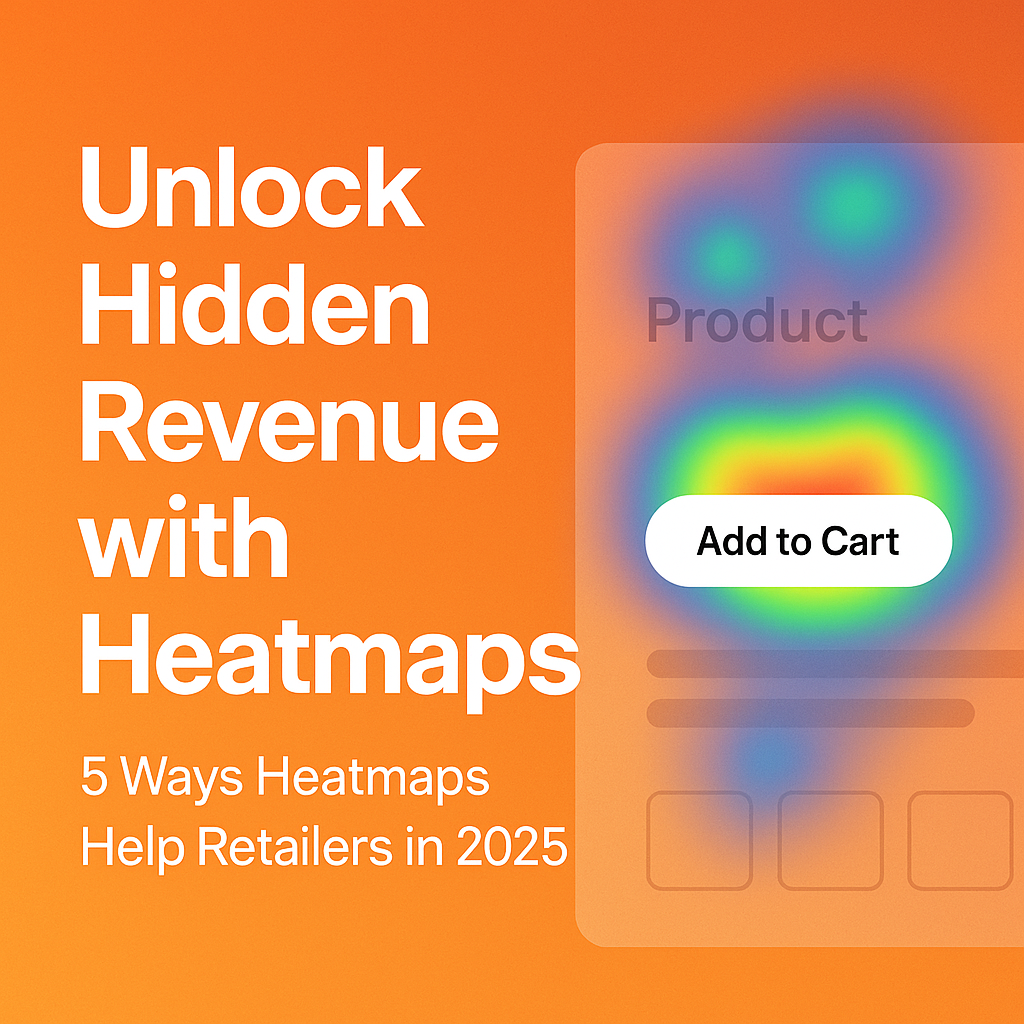
This is where CRMx Email Heatmaps provide the missing clarity for Salesforce Marketing Cloud emails.
CRMx doesn’t replace SFMC reporting. It explains it.
Accurate Click Tracking by Design
CRMx tracks clicks only on linked elements:
Linked buttons
Linked images
Linked text
Clicks on non-linked areas are not captured.
This ensures:
Only intentional actions are analysed
No false engagement
Reliable link comparison
Seeing Which Links Actually Compete
CRMx allows teams to analyse engagement at link level, revealing:
Which links attract the most clicks
Which links compete closely
Which links distract from the primary goal
For many teams, this insight is eye-opening.
Click Ranking Makes Competition Obvious
CRMx ranks all clickable elements by performance.
This immediately shows:
Which link truly won
Which links competed for attention
Which links consistently underperformed
Instead of guessing, teams see the hierarchy clearly.
Understanding Click Timing and Flow
Link competition isn’t just about totals—it’s about sequence.
CRMx surfaces timing insights that reveal:
Which links users click first
Whether early clicks prevent later engagement
How quickly users exit after clicking
Salesforce Marketing Cloud does not make this flow visible.
Designing Emails Without Link Conflict
Once link competition is visible, optimisation becomes straightforward:
Reduce unnecessary links
Align images and buttons to the same destination
Move secondary links away from primary CTAs
Simplify conversion paths
Fewer links often lead to stronger results, not weaker ones.
Why Link Competition Persists Without Heatmaps
Link competition persists because:
CTR hides misalignment
Aggregated metrics mask hierarchy
Reports lack behavioural context
Teams continue to optimise blindly, unaware that links are competing against each other.
Final Thoughts: Clarity Beats Choice
More links don’t create better emails.
Clear paths do.
Salesforce Marketing Cloud reporting shows outcomes, not conflicts. CRMx exposes where links compete and where intent is lost.
When teams understand link competition:
Emails become simpler
CTAs become stronger
Conversions improve
Optimisation becomes faster and more confident
Want to See Which Links Are Competing in Your Emails?
If you want to understand which links truly drive engagement and which ones quietly steal attention, it’s time to go beyond standard Salesforce Marketing Cloud reports.
👉 Request a CRMx Email Heatmap demo and uncover the competition inside your emails.